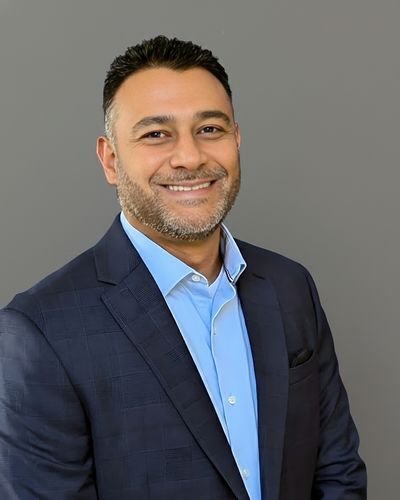
I started as a scientist. MS in machine learning, PhD in medical imaging, years in the lab running multi-modality preclinical imaging studies for pharma. I liked the science, but I kept asking different questions: why does this technology matter to anyone outside this building? Who is going to buy it? How?
I transitioned to a business development role at a med device company. That led to seven years in management consulting, advising Fortune 500 healthcare companies spanning payers, pharma/life sciences, and med-device on innovation strategy. I learned frameworks like jobs-to-be-done and lean startup, but more importantly I learned how companies actually make decisions, what holds them back, and how they could apply principles of innovation to be more nimble and find market success.
I then spent several years at mid to late stage SaaS and medtech startups. I have led customer success teams, built strategic partnerships, and built sales and BD motions from the ground up. Eighteen years total, mostly spent figuring out how to take innovations to market and build strong revenue streams.
Then large language models made my machine learning degree current again. Over the past two years I went back to building. I founded Keenr AI, an agentic platform for medtech regulatory intelligence. I built its 510(k) Predicate Finder, live at keenr.ai (opens in new tab), and I have multi-agent BD systems running inside client businesses today. Each one works because of the domain knowledge underneath it: knowing which workflows matter and what regulators and buyers expect.
Today the practice runs on two fronts. On the commercial side I help founders sharpen positioning and close partnerships, with deep experience in US entry for European health-tech companies. On the AI side I find the use cases worth building and then build them. Recent engagements include the transformation of a clinical trials consultancy into an AI-native product company and US market entry for a European radiology AI startup.